Bacchanal explores the history of carnivals. How did a harvest celebration for slaves become the world’s most iconic street party?
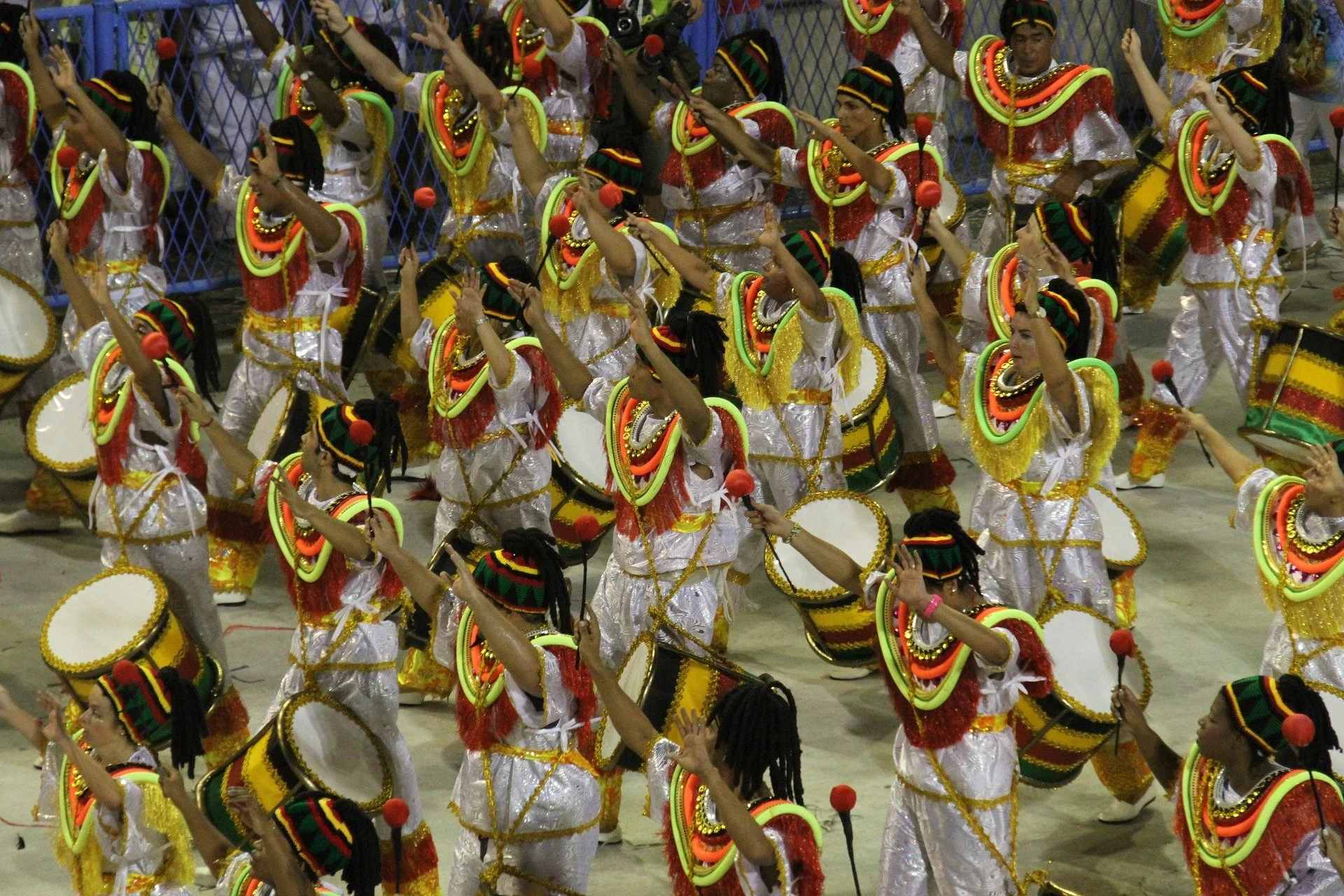
The exhibition explored the historical origins of Caribbean Carnivals, tracing their development to enslaved Africans who used drums to maintain cultural memory and create communal spaces of resistance, celebration, and identity.
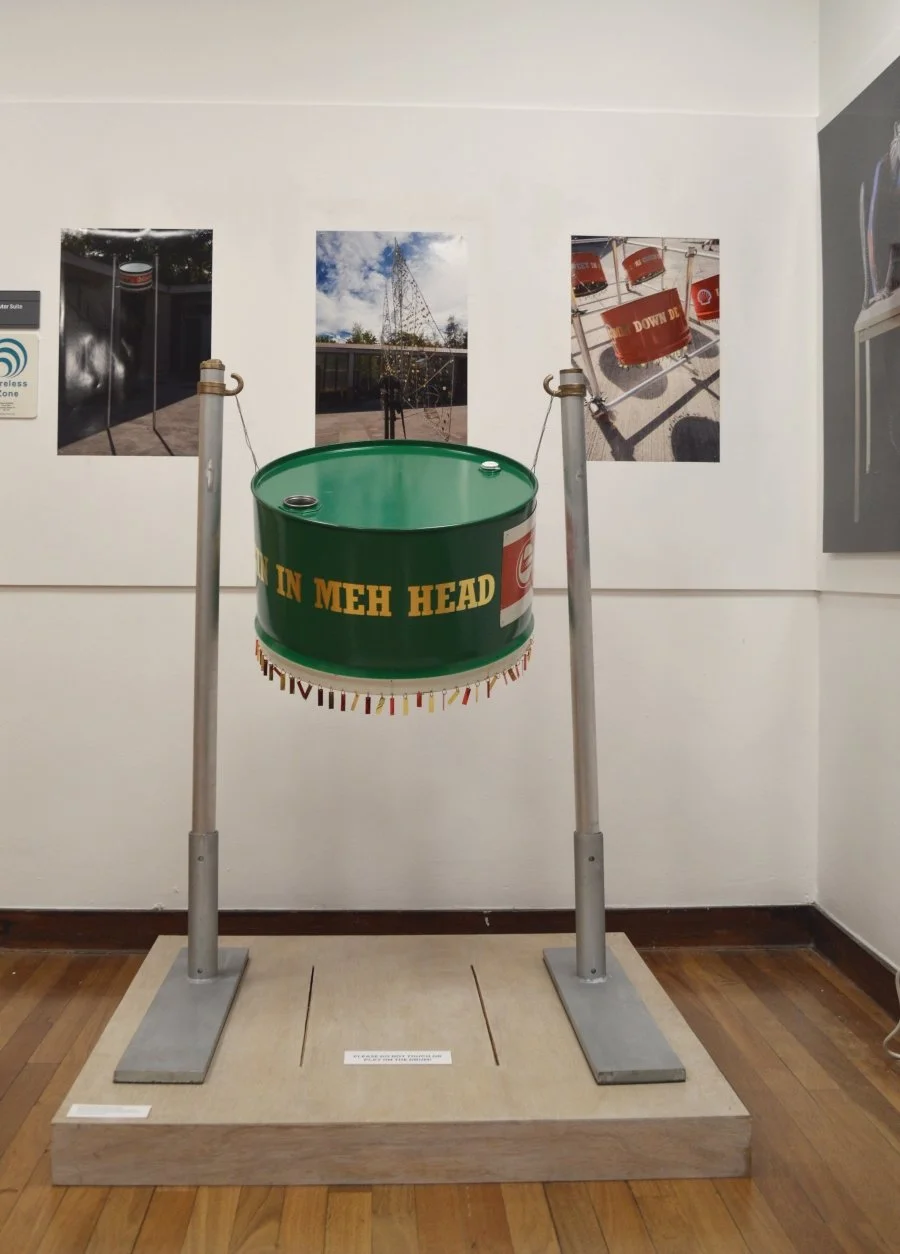
At the centre of the exhibition was a drum crafted by artist Ashanti Harris for her recent performance work, Dancing a Peripheral Quadrille. The presentation was complemented by artworks from the University’s Museum Collections and archival material that examined the evolution of carnival traditions in the Caribbean alongside Dundee’s own history of carnivals, fairs, masques, and pageants.
Local narratives included the Broughty Ferry Carnivals of the 1920s–30s, the Art College Revels, and the Student Charities’ Campaigns, offering a rich comparison between global and regional expressions of festivity and community.
The exhibition was curated by researcher and artist Cat Dunn, a PhD candidate at Duncan of Jordanstone College of Art & Design, in collaboration with the University’s Museum Services.