Re-indigenisation as a Curatorial Method
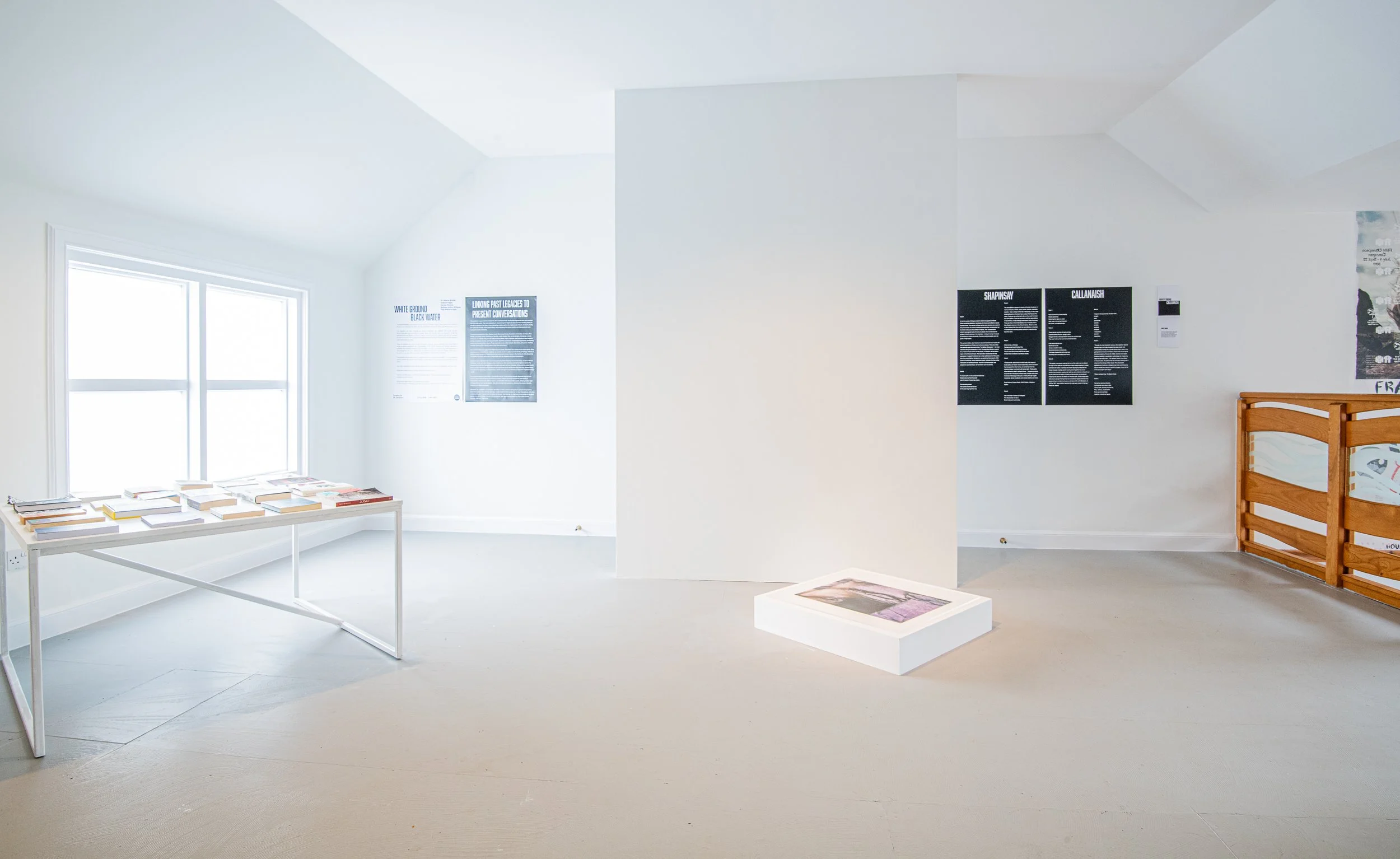
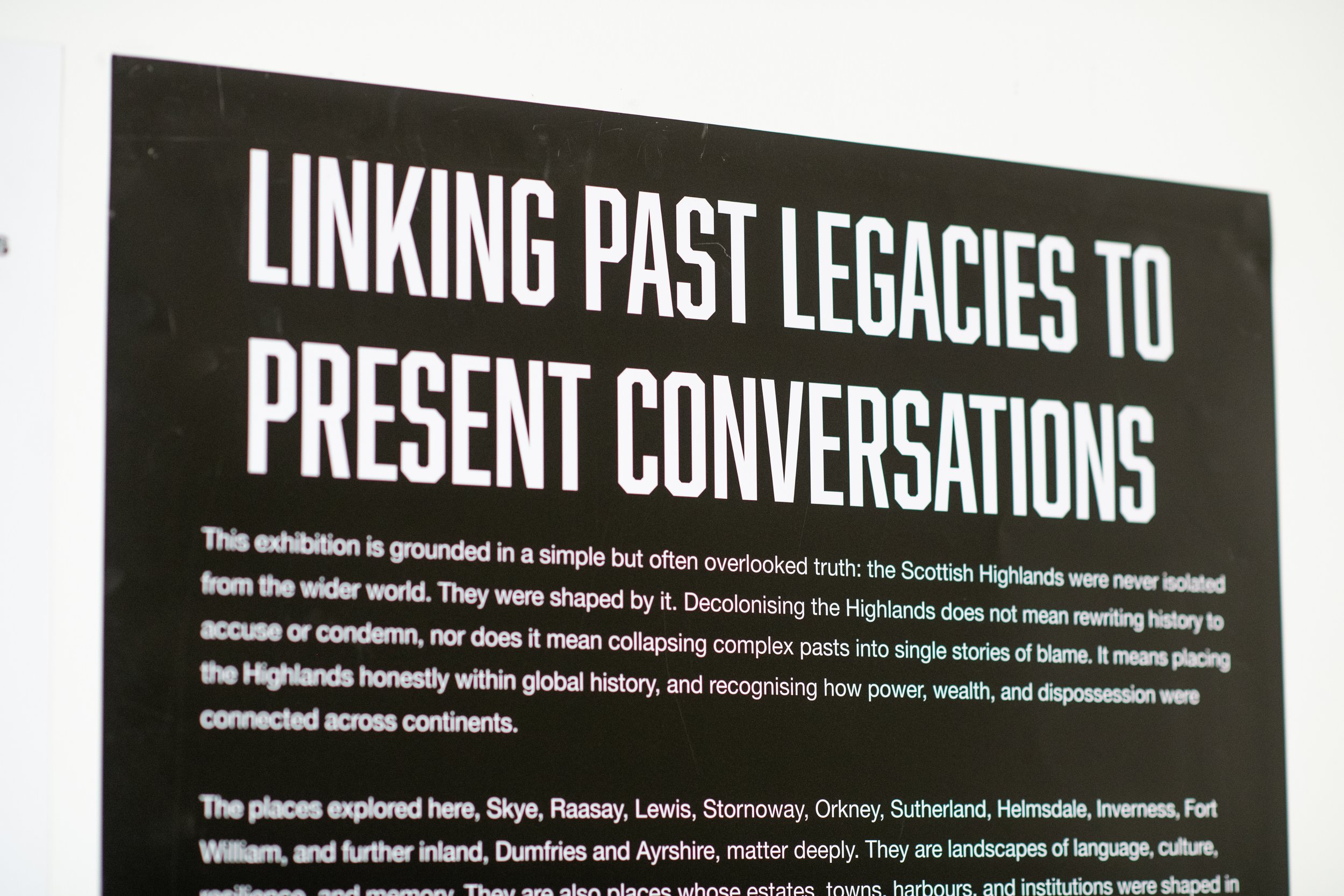
For me, re-indigenisation is a curatorial methodology that connects historical legacies to contemporary conversations in ways that invite reflection rather than defensiveness. It is not about attacking audiences or assigning individual blame for the past. Instead, it creates opportunities for people to understand how histories of colonialism, migration, displacement, resistance, and cultural exchange continue to shape the societies we live in today.
As an independent Black curator, my role is not to tell audiences what to think, but to create conditions in which difficult histories can be encountered with openness, curiosity, and empathy. Exhibitions become spaces for dialogue, where artworks, archives, objects, and community voices work together to reveal connections that may previously have been hidden or overlooked.
Re-indigenisation asks audiences to recognise that history is not fixed in the past. The legacies of empire, slavery, Indigenous knowledge, and cultural resilience continue to influence contemporary identities, landscapes, institutions, and relationships. By linking these past legacies to present-day experiences, exhibitions encourage visitors to see themselves within these histories and to consider how a more inclusive understanding of the past can shape a more equitable future.
Ultimately, re-indigenisation is an act of cultural restoration. It seeks to recover knowledge, centre voices that have historically been marginalised, and foster meaningful conversations across communities. Rather than creating division, it builds understanding, encouraging audiences to move beyond guilt or defensiveness towards shared learning, critical reflection, and collective responsibility.